Orca draws 1,146 GitHub stars in a day as multi-agent coding workspace ships v1.4.229
Stably AI’s MIT-licensed agent workspace reached 95,943 GitHub stars on October 18, adding 1,146 in the daily snapshot; its latest release adds native chat, expanded skill installs and Jira planning features.
2 min read
Orca is gaining attention as an open-source workspace for running several AI coding agents side by side. GitHub’s Trending snapshot checked October 18 showed the repository at 95,943 total stars, with 1,146 stars added that day. That is a measured daily increase, not an estimate from its high lifetime count or a trending position alone. GitHub’s repository page rounds the total to 95.7K.
The Stably AI-maintained project is an agent development environment for macOS, Windows and Linux. Orca can launch command-line agents including Codex, Claude Code, OpenCode and Pi in separate Git worktrees, keeping their terminals, edits and status visible in one desktop interface. Its README also describes remote SSH workspaces, a mobile companion and a CLI for scripted workflows. The MIT-licensed code is available at github.com/stablyai/orca.
The popularity spike coincides with active development. Release v1.4.229, published October 17, adds experimental native chat improvements, shared-skill installation across 20 more agents, expanded phone workflows, SSH and remote-terminal fixes, and Jira planning-board features. Orca’s October 15 changelog also documents interactive Mermaid diagrams and experimental managed hosts in Windows Subsystem for Linux. These are developer-reported release notes; they are not evidence that every supported agent or workflow performs equally well.
The tool’s appeal is coordination rather than a new foundation model: developers can dispatch parallel work into isolated worktrees, inspect results and decide what to merge. That may help with comparisons or multitasking, but parallel agents can duplicate effort, create review overhead and consume more model usage. Users should check each agent’s own subscription, permissions and data-handling terms; Orca’s MIT license covers the application code, not the models or agent services it connects to.
The star increase is a one-day GitHub snapshot and can fluctuate. It signals unusual developer interest, not adoption numbers or product quality.
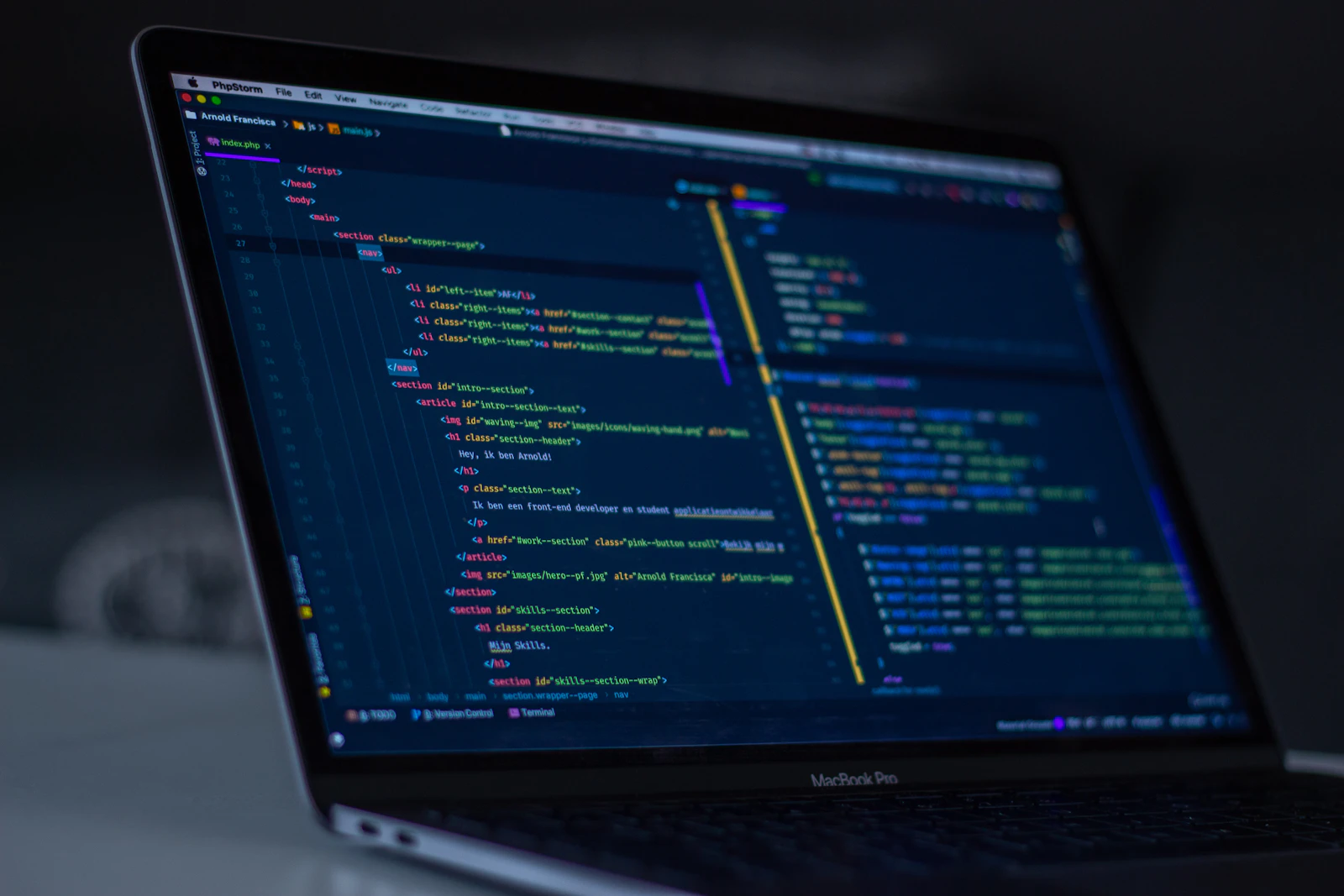
Illustrative photo by Chris Ried on Unsplash, used under the Unsplash License.
Sources: GitHub Trending daily snapshot — October 18, 2026 · Canonical Orca repository, MIT license and project description · Orca v1.4.229 release — October 17, 2026 · Orca changelog · Unsplash License
Conversation
0 approved commentsNo comments yet. Start a thoughtful conversation.
Join the conversation.
Sign in with ChatGPT to leave a comment or rate this article.